
Best sports betting apps in New Zealand: the lawful options, the mobile experience, and what offshore brands actually offer
 Available in US
A sports betting app sits on a phone the way a TAB outlet once sat on a street corner: close at hand, used in passing, expected to work. In New Zealand, the lineup a punter can install has changed in ways that go deeper than a redesign. Since 28 June 2025, the Racing Industry Amendment Act 2020 (section 74AAA) has made TAB NZ and its online sister brand Betcha the only operators allowed to take racing and sports bets from a person in New Zealand, regardless of where that operator is incorporated. The Department of Internal Affairs told unlicensed providers to withdraw with immediate effect. That single sentence reshapes the comparison.
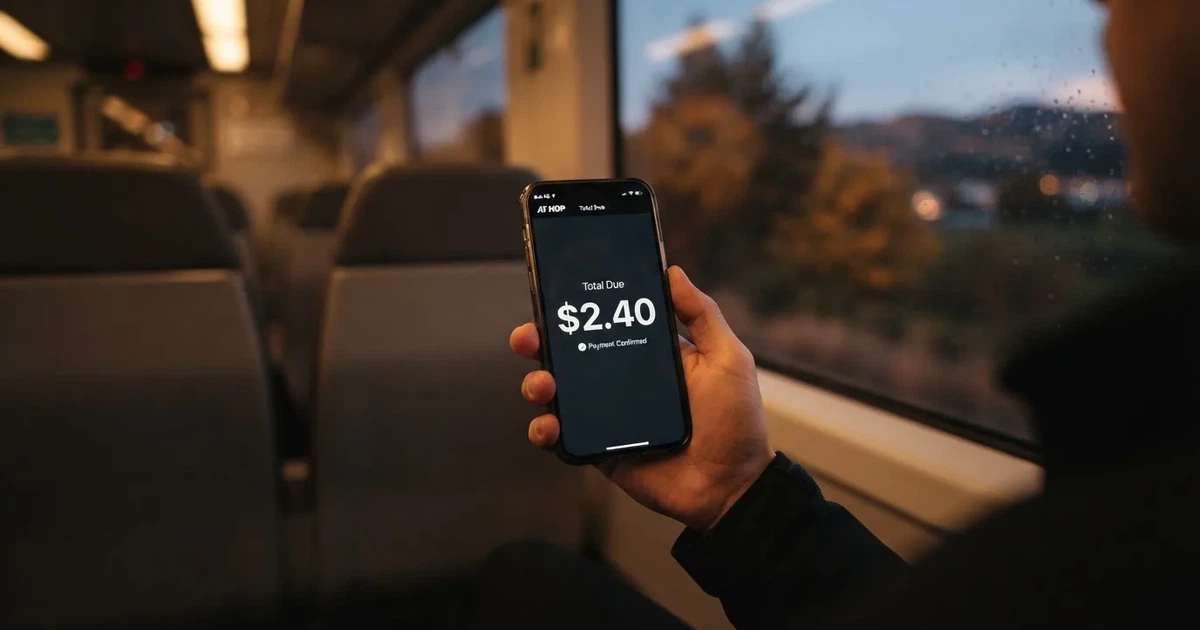
This page reads as a working guide to that landscape. It covers the law and the regulator, the responsible-gambling framework around it, the crypto question many readers bring with them, the mobile experience inside the two lawful apps, the wider market of offshore brands that New Zealand players still encounter, and the ten platforms that sit on the shortlist. The angle is choice: which paths exist, who each one suits, and what each one actually costs the punter who uses it.
Current as of 26 October 2026. Verified against the Department of Internal Affairs register and the Racing Industry Act 2020, in force since 28 June 2025.
Table of Contents
- How betting apps stand under New Zealand law
- Safer gambling: the tools, the levy, and where help lives
- Crypto, anonymity, and the privacy question behind them
- The mobile and app experience inside the two lawful brands
- The wider market: what offshore brands offer New Zealand players
- The shortlist of ten platforms — what each one is, and who it suits
- TAB — the lawful racing-and-sports app from TAB NZ
- Betcha — the lawful sports-first app from TAB NZ
- Rabona — Curaçao-licensed sportsbook with gamification
- Golden Panda — casino-heavy sportsbook with prediction markets
- FunBet — 24/7 sportsbook across the major codes
- Spinbara — sportsbook with crypto and fiat welcome offers
- BigClash — Curaçao-licensed sportsbook with esports and virtuals
- Telbet — crypto-first sportsbook and casino
- Winz.io — Anjouan and Tobique licensed crypto sportsbook
- Millioner — sportsbook with triggered Customer Due Diligence
- How a punter reads the choice
- What a punter checks before installing
- The wider frame: where the choice comes from
- The mechanics: how an odds price turns into a payout
- Reading the offshore brands for what they are
- What the lawful market does well, and what it does not
- The closing read
- Frequently asked questions
How betting apps stand under New Zealand law
The statute does the work the regulator no longer needs to. Section 74AAA of the Racing Industry Act 2020, inserted by the Racing Industry Amendment Act 2025 and in force from 28 June 2025, states that no person other than TAB NZ may offer racing betting or sports betting as the exclusive provider in New Zealand. The “person in New Zealand” wording is the part that reaches offshore sites: it does not matter where the operator is incorporated or where its servers sit. Liability sits on the operator, not on the player. Section 19(4) of the Gambling Act 2003, also inserted in 2025, says an individual cannot be convicted for placing a bet with an offshore operator in breach of section 74AAA. The Department of Internal Affairs monitors compliance under section 92A of the Racing Industry Act, and it told offshore providers serving New Zealand to withdraw with immediate effect on the changeover date.

There is no licence route for a second bookmaker. There is no licence register for sports or racing betting. The reason is structural: a register lists licensees, and there is only one licensee. TAB New Zealand holds that role, with TAB and Betcha as its two consumer-facing online brands. The Online Casino Gambling Act 2026 licensed online casino gambling separately, but casino and betting are different permits with separate rules; a casino licence does not extend the betting monopoly, and the casino licence register is not a route into sports betting either.
TAB NZ’s commercial partner in running the business is Entain, under a 25-year agreement signed in 2023. The deal gives Entain a 50/50 share of gross profits, with at least $150 million a year going to TAB NZ for the first five years, and Entain pledged a one-off $100 million payment to the racing sector at signing. The technology, the platform and the safer-gambling tools of the two apps come from that partnership; the licence and the obligation sit with TAB NZ.
What may be bet on, under that licence: horse racing, harness racing, greyhound racing (closing in stages from 1 August 2026), rugby union, rugby league, cricket, the football codes New Zealand follows, and the wider menu TAB NZ publishes. TAB NZ takes fixed-odds bets and tote (pool) bets. Win, Place, Each Way, Quinella, Exacta, Trifecta, First Four, Double, Treble, Daily Double, Running Double, Quaddie and Big6 are racing bet types listed in TAB NZ’s published betting rules; Same Race Multi, Same Game Multi and the multi-bet formats across sports sit alongside them. Live betting is listed in the TAB NZ apps; the law does not single out in-play markets the way some other jurisdictions do. Bets on politics and novelty markets: not established. There is no statutory per-bet cap, so any limit a punter meets is an operator limit, set in TAB NZ’s own terms.
The legal picture for a punter comes down to three plain points. First, TAB and Betcha are the lawful options, with New Zealand harm-minimisation tools, regulator oversight, and a complaints framework that reaches the Department of Internal Affairs. Second, an offshore brand taking bets from a person in New Zealand is breaking New Zealand law, with no New Zealand complaints route, no harm-minimisation framework that applies, and the operator’s own jurisdiction setting the terms. Third, no published penalty for the player was found, and no source writes the act as illegal for the individual. The framing the Department uses is that offshore operators may be in jurisdictions with minimal consumer safeguards, may not return unspent credits and may not pay out large wins. That is the published risk; it is not the same as a charge.
Safer gambling: the tools, the levy, and where help lives
TAB NZ carries the safer-gambling tools inside its apps. Deposit limits, time-outs and self-exclusion sit inside the account area of both TAB and Betcha. An exclusion set on one brand applies across both, because they are the same licensee. Self-exclusion is the heaviest of the three: once a punter sets it, the account stays closed for the chosen window and cannot be reopened by request. Deposit limits and time-outs are the lighter tools, intended for punter-managed play rather than crisis stop.

The free Gambling Helpline (0800 654 655) and the text line at 8006 are listed inside the TAB NZ apps and on the Betcha app, and both services are free and 24/7. Safer Gambling Aotearoa is the published problem-gambling support service that sits beside them. These are the routes a punter in New Zealand can reach without an offshore redirect; an offshore operator is under no obligation to surface them.
The Problem Gambling Levy, set at 0.74% and in force from 1 July 2025 to 30 June 2028, is paid by TAB NZ out of its gross profit, not out of punter stakes. The levy funds the harm-minimisation and treatment services the helpline and Safer Gambling Aotearoa sit inside, and it is the visible sign that the lawful market in New Zealand pays for the harm it creates. No equivalent levy applies to offshore operators serving New Zealand players, because no equivalent framework reaches them.
The age rule has its own sharp edge. The age for TAB NZ betting is 18, set under section 89 of the Racing Industry Act 2020; betting under 18 is an offence. The land-based casino age in New Zealand is 20, set under the Gambling Act 2003 — the two rules are not the same and never merge. Both TAB NZ apps carry a 17+ App Store age rating, which reflects the store’s age-gate, while the actual betting age in the operator’s terms is 18. The TAB NZ app description makes that distinction explicit.
There is no single national online-betting exclusion register. The register the Online Casino Gambling Act 2026 sets up covers online casinos only and does not reach the TAB NZ apps. The TAB NZ apps’ own self-exclusion is the only exclusion mechanism that applies across the lawful betting market in New Zealand, and it applies across both TAB and Betcha because both are TAB NZ.
Crypto, anonymity, and the privacy question behind them
Crypto and anonymity come up as a single thread because that is how the marketing wraps them, but they pull apart once the law is applied. In New Zealand, the lawful route for betting is TAB NZ and Betcha; both run on the standard identity check of a New Zealand account, with a verified New Zealand address and ID before a withdrawal clears. There is no crypto deposit or anonymous signup available through the lawful apps. The law that runs the lawful market — the Royal Tech of the Entain platform underneath — does not on its own terms offer a pseudonymous path to a person in New Zealand.
The offshore brands New Zealand players meet, by contrast, run on crypto rails and lighter onboarding. Winz.io, for instance, lists Anjouan and Tobique licences and operates in that lighter-touch framework. Telbet describes itself as a crypto casino and sportsbook and lists a Bitcoin welcome offer. Spinbara advertises a sports crypto welcome bonus in USDT alongside a fiat welcome bonus. These brands exist for a player who wants crypto rails, settled on a blockchain rather than a bank, and they describe themselves accordingly. The legal frame does not move: only TAB NZ may offer racing wagers for New Zealand residents, and a Curaçao or Anjouan licence gives the holder no right to take bets from people in New Zealand. The privacy of a crypto rail does not change which side of section 74AAA a transaction sits on.
Two practical notes for the reader who arrives here from that angle. A New Zealand-registered TAB NZ account requires a verified New Zealand address; identity is part of the lawful path, not a feature added on top of it. Offshore crypto brands commonly apply Customer Due Diligence only when anti-money-laundering triggers are reached, so onboarding is fast up to a limit and slows at withdrawal — the privacy window opens at the front of the account and closes at the back, which is the opposite of the way it is usually described in marketing. The Department of Internal Affairs’ published warning — that overseas operators may not return unspent credits and may not pay out large wins — is the relevant risk to weigh against any privacy benefit a crypto rail seems to offer.
The mobile and app experience inside the two lawful brands
TAB and Betcha are the two online brands of TAB NZ. They are not rivals. They share a back end and the same licence, and the same exclusion set on one applies across the other. What they offer a punter differs at the surface: TAB is the long-running brand, with the racing heart of the business, the Trackside live race streaming, racing-form tools, Blackbook and Jockey Challenge; Betcha is the newer front door, with a sports-first design, a simpler wallet, and a layout that takes its cue from modern sports-betting apps.
The TAB – Racing & Sports Betting app on the New Zealand App Store is published under the seller name New Zealand Racing Board, the legal name of TAB NZ, and was first released on 8 September 2014. The app covers horse and harness racing, rugby union, rugby league and other sports, with pre-match and live markets. Its standout racing feature is the Trackside live race streaming with in-app betting, which is the legal way to watch and bet on a New Zealand race on a phone without leaving the app. Racing form, Blackbook (a runner tracker the punter builds across meetings), and Jockey Challenge tools sit beside it. The simplified wallet for deposits and withdrawals is what most punters will use the most, and it is the part of the app that interfaces with the safer-gambling tools.
Betcha on the New Zealand App Store is published by Entain New Zealand Limited and was first released on 6 August 2024. It carries the same safer-betting tools as TAB and lists the same 24/7 Gambling Helpline. Its layout is sports-first, with a wallet section and a bet-builder-style structure for multi-leg bets. The split is not TAB for racing and Betcha for sports; both apps cover both. The split is aesthetic and product-design: TAB reads as the legacy racing app with sport added, Betcha reads as a modern sports app with racing added. A punter who bets mostly on racing and watches races live will lean TAB. A punter who bets mostly on rugby, football, basketball or the codes New Zealand follows will lean Betcha. Both apps enforce 18+ on the operator’s terms, regardless of the 17+ store rating.
Both apps carry the multi-bet features that New Zealand punters use: Same Race Multis, Same Game Multis, one-tap Popular Multis, and the Place Extra option that lets a punter back runners to finish up to 10th in selected races, an option that has no fixed-odds parallel in the racing markets of most other jurisdictions. New TAB NZ customers can receive Bonus Cash that can be split across multiple bets, with a Mega Multi bonus of up to $50 in Bonus Cash when a multi of four or more legs falls short by a set number of legs. The Mega Multi bonus is the closest the lawful market comes to the accumulator-insurance offers that offshore brands advertise.
The mobile experience is where the two lawful apps most clearly differ from the offshore brands that New Zealand players encounter. The offshore brands typically reach a phone through a mobile-optimised site (BillyBets, for instance, runs on Android and iOS through the mobile-optimised platform rather than a native app), an Android APK that has to be sideloaded, or a web-app shortcut on iOS. The native apps TAB NZ publishes are the cleanest path to the lawful market on a phone, and they sit in the New Zealand App Store under the operator’s own name, which is the simplest way to verify what is being installed.
The wider market: what offshore brands offer New Zealand players
The other brands that New Zealand players meet — Rabona, Golden Panda, Spinbara, BigClash, Telbet, Winz.io, Millioner and a handful of others — run on licences other than New Zealand. A Curaçao licence, an Anjouan licence, a Tobique licence, a Costa Rica registration: none of these gives the holder a right to take bets from people in New Zealand under section 74AAA. They describe themselves as open to New Zealand players because they are open to players from most countries outside the United States and a small set of restricted jurisdictions; New Zealand is not on their restricted list because New Zealand does not block their sites. That is the long way around to a fact: an offshore brand being reachable from New Zealand does not mean it is lawful in New Zealand.
What these brands offer is a different product surface from the lawful two. The menu is wider: live betting, in-play on hundreds of events per day, esports on FPS and MOBA titles, virtual sports alongside real sports, casino, live casino, crash games, prediction markets, and a sportsbook advertised as open around the clock. FunBet’s sportsbook lists odds on football, ice hockey, American football, basketball, volleyball, tennis, rugby and baseball, with live betting and a 24/7 bookmaker description; BigClash lists pre-match and live sports betting across international and local leagues, virtual sports and esports betting on FPS and MOBA titles. The menu of betting markets an offshore brand lists is not a stop-and-go menu; it is a long, scrolling inventory.
The bonus side is where offshore brands spend their marketing. Spinbara lists a first-deposit bonus of 100% up to EUR 100 and a sport crypto welcome bonus of 100% up to 200 USDT, plus a casino welcome bonus of 100% up to EUR 500 plus 200 free spins. Telbet lists a welcome of 200% up to 1 BTC plus 50 free spins and a 5 USDT free bet. These offers are described as each brand’s own terms describe them, and they sit on top of wagering requirements the brand sets: turnover multiples, minimum odds on qualifying bets, expiry windows, game-weighting in casino sections. The reader who acts on a bonus offer acts on the brand’s own terms, and those terms are the binding contract, not the headline. The Department of Internal Affairs’ published warning on offshore operators is the regulator’s plain-English reading of what the reader is signing up to.
The age rule varies across these brands. Boomerang Bet accepts customers aged 18 and over only; SpinBetter and Megapari and BetWinner list 21+ in their footers; Millioner accepts 18+. The age an offshore brand sets is its own commercial choice and is not New Zealand law. A New Zealand resident under 18 who bets through any of these brands is in breach of section 89 of the Racing Industry Act 2020 regardless of the brand’s own age gate, and a New Zealand resident 18 or over who bets with one of them is using an operator the Department has told to withdraw from New Zealand. The lawful age rule and the lawful market rule both still apply.
The mobile experience outside the two native apps is uneven. BillyBets runs on Android and iOS through a mobile-optimised platform rather than a native app, and its support is available 24/7 through live chat and a Help Centre. SpinBetter, Megapari, BetWinner and Paripesa list iOS and Android apps alongside web apps. The native quality of an offshore brand’s app is not consistent across the market; some are smooth, some are functional, and a few are essentially the mobile site wrapped in a thin shell. The TAB NZ apps are the cleanest path to a New Zealand-licensed product on a phone; an offshore brand’s app is the cleanest path to a product that is not licensed in New Zealand.
The shortlist of ten platforms — what each one is, and who it suits
The ten platforms on the shortlist divide cleanly into two groups. The first two are the two online brands of TAB NZ: TAB and Betcha. They are lawful in New Zealand, share an exclusion set across the two brands, and carry the safer-gambling tools the Department of Internal Affairs framework requires. The other eight are offshore, not licensed in New Zealand, and are presented here because New Zealand players encounter them, not because they are recommended.
| Brand | New Zealand status | What the brand’s own terms state on the subject |
|---|---|---|
| TAB | TAB NZ brand — lawful in New Zealand under section 74AAA of the Racing Industry Act 2020 | Native apps on iOS and Android, racing-first design, Trackside live streaming, racing form and Blackbook tools, safer-gambling tools (deposit limits, time-outs, self-exclusion), Bonus Cash for new sign-ups, Mega Multi bonus on short-leg multis |
| Betcha | TAB NZ brand — lawful in New Zealand under section 74AAA of the Racing Industry Act 2020 | Native apps on iOS and Android, sports-first design, same safer-gambling tools and helpline as TAB, modern multi-bet builder layout, exclusion set applies across TAB too |
| Rabona | Not licensed in New Zealand | Curaçao licence (8048/JAZ) for the brand; full sportsbook, casino, live casino, virtual sports, gamification; native apps and a mobile-optimised site |
| Golden Panda | Not licensed in New Zealand | Brand names no licence applicable in New Zealand; sportsbook, esports, virtual sports plus casino, live casino, crash games, rewards, cashback, a VIP Club, Golden Goals and Prediction Markets |
| FunBet | Not licensed in New Zealand | Brand names no licence applicable in New Zealand; sportsbook with odds on football, ice hockey, American football, basketball, volleyball, tennis, rugby, baseball, with live betting and a 24/7 bookmaker |
| Spinbara | Not licensed in New Zealand | Brand names no licence applicable in New Zealand; sportsbook, casino, live casino, first-deposit bonus of 100% up to EUR 100, sports crypto welcome of 100% up to 200 USDT, casino welcome of 100% up to EUR 500 plus 200 free spins |
| BigClash | Not licensed in New Zealand | Curaçao licence (8048/JAZ) for the brand; pre-match and live sports betting across international and local leagues, virtual sports and esports on FPS and MOBA titles |
| Telbet | Not licensed in New Zealand | Brand names no licence applicable in New Zealand; crypto casino and sportsbook, welcome of 200% up to 1 BTC plus 50 free spins, 5 USDT free bet |
| Winz.io | Not licensed in New Zealand | Anjouan and Tobique licences, holder Novatrix SRL; crypto-native sportsbook and casino, leaderboard-style promotions |
| Millioner | Not licensed in New Zealand | Brand names no licence applicable in New Zealand; sportsbook, casino, Customer Due Diligence triggered by anti-money-laundering thresholds, 18+ age gate |
The right column of the table carries what each brand’s own terms and the App Store listings state. Where a brand names a Curaçao or Anjouan or Tobique licence, the table shows it as that brand’s own statement; the lawful status of that licence in New Zealand is determined by section 74AAA, not by the brand’s footer. The offshore group has a wider product surface and a louder bonus front, and the lawful two have a narrower product surface and a framework that reaches them.
The reading the table invites is the wrong one for a betting decision. The width of the menu is not a measure of value to the punter; it is a measure of the bookmaker’s reach. The sharpness of a price is. The cost of a bonus is. The cost of a payout failure is. The cost of a complaint that has nowhere to land is. The wider menu is the easier product to advertise and the harder product to evaluate; the narrower menu is the harder product to advertise and the easier one to know. The punter’s interest is the second product, not the first.
TAB — the lawful racing-and-sports app from TAB NZ
TAB is the longer-running of the two TAB NZ apps, with a racing heart and a sports menu attached. The TAB – Racing & Sports Betting app on the New Zealand App Store is published under the seller name New Zealand Racing Board, the legal name of TAB NZ, and has been on the store since 8 September 2014. The racing-first design shows in where the live markets sit: Trackside live race streaming with in-app betting, racing-form pages, Blackbook (the runner tracker the punter builds across meetings) and Jockey Challenge tools are the features most punters install the app to use. The app covers horse and harness racing, rugby union, rugby league and other sports, with pre-match and live markets across them. Same Race Multis, Same Game Multis and one-tap Popular Multis sit alongside the racing bet types. Place Extra lets a punter back runners to finish up to 10th in selected races — an option that has no fixed-odds parallel in most other jurisdictions.
The safer-gambling tools sit inside the account area: deposit limits, time-outs and self-exclusion. The free 24/7 Gambling Helpline (0800 654 655) and the text line at 8006 are listed in the app. New TAB NZ customers can receive Bonus Cash that can be split across multiple bets, with a Mega Multi bonus of up to $50 in Bonus Cash when a multi of four or more legs falls short by a set number of legs. The store carries a 17+ age rating; the operator’s terms enforce 18+.
The case for TAB is the lawful status, the racing product, the racing-form tools, the long-running stability of the app, and the safer-gambling framework that reaches it. The case against is the narrower product menu against the offshore brands, the older visual design against Betcha’s, and the fact that the same product is available on the Betcha app with a more modern surface for most sports markets. A punter who bets mostly on racing and watches races live gets the most out of TAB; a punter who bets mostly on sports gets the same product on a better surface through Betcha.
Betcha — the lawful sports-first app from TAB NZ
Betcha is the newer of the two TAB NZ apps, with a sports-first layout and a simpler wallet. The betcha | Sports Betting app on the New Zealand App Store is published by Entain New Zealand Limited and was first released on 6 August 2024. The app carries the same safer-betting tools as TAB and lists the same 24/7 Gambling Helpline (0800 654 655). Its 17+ store rating and 18+ operator age rule mirror TAB’s. The layout is built around the multi-bet builder and the in-play markets, with a sports menu that prioritises rugby, football, basketball and the codes New Zealand follows over the racing markets that anchor TAB.
The same exclusion set applies across both TAB and Betcha, because both are TAB NZ. The wallet, the deposit methods and the withdrawal flow are unified through the Entain platform underneath. The split between TAB and Betcha is a product split, not a regulatory split.
The case for Betcha is the modern sports-first surface, the multi-bet builder that has become the standard layout in mobile betting, and the same lawful status as TAB. The case against is that it is newer and does not yet carry the Trackside live race streaming and racing-form tools TAB has built over a decade. A punter who bets mostly on rugby, football, basketball or the wider sports menu gets the most out of Betcha; a punter who bets mostly on racing gets more out of TAB. The choice between them is the choice between two surfaces over the same licensed product.
Rabona — Curaçao-licensed sportsbook with gamification
Rabona launched on 23 December 2019 as the sixth online sportsbook of the Soft2Bet group, and the brand carries a Curaçao licence (8048/JAZ) — a licence that gives the holder no right to take bets from people in New Zealand under section 74AAA of the Racing Industry Act 2020. The product surface is wide: a full sportsbook, casino, live casino, virtual sports, and a gamification layer that sits over the betting activity. Native apps are listed alongside a mobile-optimised site, and the menu of pre-match and live markets is long.
The case for the reader who looks at Rabona is the menu. The case against is everything else: the licence does not reach New Zealand, no New Zealand complaints route applies, no New Zealand harm-minimisation framework reaches the account, and the Department of Internal Affairs has told the operator to withdraw from New Zealand. The wide menu is the wrong trade for the loss of the New Zealand framework. A punter who installs Rabona from New Zealand is installing a product the regulator has asked to leave.
Golden Panda — casino-heavy sportsbook with prediction markets
Golden Panda is the casino-heavy end of the offshore shortlist. The brand lists a Sports section with a sportsbook, esports and virtual sports, plus casino, live casino, crash games, rewards, cashback, a VIP Club, Golden Goals and Prediction Markets. The product surface is closer to a casino platform with a sportsbook attached than a sportsbook operator with a casino section. The brand names no licence applicable in New Zealand, and operates without a New Zealand-based complaints mechanism or harm-reduction framework.
The case for the reader who looks at Golden Panda is the casino-and-sports combination under one wallet. The case against is the same as for Rabona: no New Zealand licence, no New Zealand framework, and a regulator that has told the brand to withdraw from New Zealand. For a punter whose interest is mostly sports, the casino-heavy surface is the wrong shape. For a punter whose interest is casino first and sports second, the same shape reads differently, but the page is about sports betting apps.
FunBet — 24/7 sportsbook across the major codes
FunBet’s sportsbook lists odds on football, ice hockey, American football, basketball, volleyball, tennis, rugby and baseball, with live betting and a bookmaker described as open 24/7. The product is built around the major codes, with rugby sitting inside a menu that reads from football and ice hockey. The brand names no licence applicable in New Zealand, and operates without a New Zealand-based complaints mechanism or harm-reduction framework.
The case for FunBet is the 24/7 framing and the broad sports menu. The case against is the same offshore reality as the rest of the offshore shortlist. A punter who bets mostly on the codes FunBet lists and wants a long, scrolling menu of in-play markets will find the menu; a punter who needs the New Zealand framework will not.
Spinbara — sportsbook with crypto and fiat welcome offers
Spinbara lists a first-deposit bonus of 100% up to EUR 100 and a sport crypto welcome bonus of 100% up to 200 USDT, alongside a casino welcome bonus of 100% up to EUR 500 plus 200 free spins. The offer is dual-rail: a fiat bonus and a crypto bonus, on top of a separate casino welcome. The brand names no licence applicable in New Zealand. This operator provides no accessible New Zealand complaints or harm-reduction protection.
The case for Spinbara is the dual-rail welcome offer, which a punter who wants to use both rails finds useful. The case against mirrors the situation for the other offshore brands, plus the wagering terms the bonus carries: turnover multiples, minimum prices, expiry windows, game-weighting in casino sections. A punter who acts on the headline and not on the terms acts on the marketing word, not on the contract.
BigClash — Curaçao-licensed sportsbook with esports and virtuals
BigClash lists pre-match and live sports betting across international and local leagues, plus virtual sports and esports betting on FPS and MOBA titles. The brand carries a Curaçao licence (8048/JAZ) — a licence that gives the holder no right to take bets from people in New Zealand under section 74AAA of the Racing Industry Act 2020.
The case for BigClash is the esports and virtual-sports menu alongside the sportsbook, which is a longer esports menu than the two lawful apps carry. The case against follows the same offshore framework. A punter whose interest is esports gets a longer menu than the lawful apps offer; a punter whose interest is the New Zealand framework lacks support from this provider.
Telbet — crypto-first sportsbook and casino
Telbet describes itself as a crypto casino and sportsbook and lists a welcome offer of 200% up to 1 BTC plus 50 free spins and a 5 USDT free bet. The product surface is crypto-native, with Bitcoin as the headline offer.
The case for Telbet is the crypto rail. A punter who wants to deposit and withdraw in Bitcoin and operate outside a bank account finds a product built for that. The case against is the same licensing picture, plus the volatility risk a punter takes on by holding Bitcoin between deposit and payout, and the same wagering terms the welcome bonus carries. A punter who needs the New Zealand framework lacks support from this provider; a punter who needs the crypto rail gets a product built for the rail.
Winz.io — Anjouan and Tobique licensed crypto sportsbook
Winz.io states in its footer that it holds a licence delivered by Anjouan and Tobique, with the holder listed as Novatrix SRL. The product is crypto-native sportsbook and casino, with leaderboard-style promotions that reward volume rather than signup. The licence gives the holder no right to take bets from people in New Zealand under section 74AAA of the Racing Industry Act 2020.
The case for Winz.io is the volume-reward promotions and the dual-licence framing. A punter who bets high volume and values leaderboard rewards gets a product built for that; a punter who needs the New Zealand framework lacks support from this provider.
Millioner — sportsbook with triggered Customer Due Diligence
Millioner applies Customer Due Diligence checks when anti-money-laundering triggers are reached and accepts customers over 18 years of age only. The product is a sportsbook and casino combination, with the Customer Due Diligence framing as the brand’s own statement of where identity checks sit.
The case for Millioner is the explicit framing of when identity checks apply — a brand that names the trigger and the threshold is more legible than a brand that obscures them. The case against shares the same offshore licensing reality, and the fact that identity at withdrawal is the privacy cost that hits when the punter most needs the money. A punter who values the explicit framing will read it; a punter who needs the New Zealand framework must turn to the lawful apps.
How a punter reads the choice
The choice for a New Zealand punter is between a narrow lawful market and a wide unlawful one. The narrow lawful market — TAB and Betcha — covers the codes New Zealand follows, the racing markets, the multi-bet formats, the safer-gambling tools, the helpline, and the Department of Internal Affairs complaints route. The wide unlawful market covers a longer menu of sports, esports, virtuals, casino, crash games, prediction markets and crypto rails, with no New Zealand framework and a regulator that has asked the operators to withdraw.
The shape of the trade is not the menu. The shape is the framework. A punter who bets through TAB or Betcha pays for the framework with a narrower menu and a simpler bonus front. A punter who bets through an offshore brand gets the wider menu and the louder bonus front, and pays for them without the protection of a New Zealand complaints or harm-reduction framework, and a regulator’s published warning that overseas operators might withhold unspent deposits and large wins. Neither side is “the safe choice” by default; the law and the marketing point in opposite directions, and the punter has to decide which direction to read.
Three practical notes sit on top of that frame. First, the bonus headline is not the contract; the brand’s own terms are, and they carry wagering requirements, minimum prices, expiry windows, and weighting the headline does not name. Second, the price and the margin are different things, and a wider menu is not a sharper price; the law of the market cuts the other way, because a wider product surface is paid for out of margin somewhere on the slip. Third, the safer-gambling tools inside TAB and Betcha are the tools that reach a New Zealand punter; the same tools on an offshore brand are the brand’s own choice, and the Department of Internal Affairs does not enforce them. A punter who needs the helpline, the time-out, the self-exclusion or the deposit limit gets the most out of the lawful two. A punter who needs the crypto rail gets the most out of an offshore brand, and pays for the rail with the framework.
What a punter checks before installing
The check before installing a sports betting app in New Zealand is short. The punter confirms the brand’s New Zealand status: TAB or Betcha is lawful; everything else is not. The punter reads the App Store listing for the seller name: New Zealand Racing Board for TAB, Entain New Zealand Limited for Betcha. The punter checks the age rating: 17+ on the store, 18+ in the operator’s terms. The punter reads the safer-gambling tools inside the app: deposit limits, time-outs, self-exclusion, helpline and text line. The punter reads the brand’s own terms on the bonus: the wagering requirement, the minimum price, the expiry, the weighting.
For an offshore brand the check is the same shape with a different ending. The punter still reads the App Store listing, but the seller name is an offshore company and the licence in the footer is a Curaçao or Anjouan or Tobique or Costa Rica registration. The punter reads the brand’s own terms on the welcome offer. The punter reads the withdrawal terms and the complaints route. The punter reads the Department of Internal Affairs’ published warning on overseas operators and weighs the trade. The framework the punter loses is the framework the punter signs away when the install completes.
The wider frame: where the choice comes from
The choice did not always look like this. Before 28 June 2025, the offshore brands serving New Zealand players operated in a market the Department of Internal Affairs regulated loosely, and the offshore licence the brand named was the licence the regulator worked against. The Racing Industry Amendment Act 2020, in force from 28 June 2025, ended that loose arrangement. Section 74AAA writes the rule plainly: no person other than TAB NZ may offer racing or sports wagers for New Zealand residents. The Department told providers to withdraw with immediate effect, and the brands on this page that serve New Zealand players continue to do so because the law targets the operator, not the player, and New Zealand does not block the sites.
The rule the law set is the rule the market carries now. TAB NZ’s commercial partner Entain runs the platform, the technology and the safer-gambling tools under the 25-year agreement signed in 2023, with the $150 million annual minimum to TAB NZ for the first five years and the $100 million one-off payment to the racing sector at signing. The two apps TAB NZ publishes — TAB and Betcha — sit on that platform, and the offshore brands that New Zealand players still meet operate against it.
The Problem Gambling Levy, the 0.74% on TAB NZ’s gross profit from 1 July 2025 to 30 June 2028, is the visible sign that the lawful market pays for the harm it creates, in a way the offshore market does not. The greyhound racing closure from 1 August 2026 narrows the racing menu the lawful apps cover. The Online Casino Gambling Act 2026 licenses online casinos separately and does not extend the betting monopoly. The point-of-consumption charge on offshore racing and sports bets ceased on 30 June 2026. Each of these is a piece of the same frame, and the reader who reads one of them is reading all of them.
The mechanics: how an odds price turns into a payout
The payout of a winning bet is the stake multiplied by the odds. A $10 bet at odds of $2.50 returns $25, which is $15 of net profit on top of the $10 stake. For a combination bet — a multi with several legs — the odds of the legs multiply into one price, and the same rule applies to the multiplied price. A $10 bet on a three-leg multi at odds of $1.80, $2.10 and $1.95 returns $10 multiplied by the multiplied price of the three legs; the multiplied price is the product of the three, and the return is the stake times that product. The rule is the same rule, applied to a longer number.
The margin is what the bookmaker keeps out of every dollar bet on a market. It is the other side of the same coin as the payout share. If the payout share of a market is 95%, the margin is 5%, and the two numbers add to 100%. The payout share is calculated from the prices the bookmaker offers on each outcome of the market, summed across all outcomes. For a two-outcome market like a head-to-head, the payout share is one divided by the sum of the reciprocal odds of the two outcomes. For a three-outcome market like a 1X2, the same rule applies across the three outcomes. The margin is the difference between the payout share and 100%.
The margin sits inside every price. A bookmaker’s headline on a market is not the punter’s expected return; it is the bookmaker’s expected keep. A 5% margin across a market means the bookmaker keeps $5 out of every $100 bet on that market, over the long run, before any bonus is paid out. The bonus the bookmaker advertises is paid out of that keep, which is why a loud bonus front is funded by the margin that lives behind it. The punter’s interest is the margin the market carries, not the bonus the bookmaker advertises; the marketing word is the spend, and the price is the receipt.
The combination bet illustrates the same rule in a longer shape. The multiplied price of a multi looks generous, but the margin of each leg compounds into the margin of the multi, and the multi is harder to win the more legs it carries. The two effects — the compounding margin and the compounding probability — work in opposite directions for the punter, and the trade between them is the trade a punter makes every time a multi is built. The Mega Multi bonus that TAB NZ advertises is the lawful market’s reading of that trade: a bonus on a multi that falls short by a set number of legs. The bonus is paid out of the perceived multi margin, and it is the closest the lawful market comes to the accumulator-insurance offers that offshore brands advertise.
Reading the offshore brands for what they are
The offshore brands on this page are not a recommendation. They are the brands New Zealand players encounter, listed for reference, and the same criteria applied to the lawful two apply to them: licence, age, safer-gambling tools, complaints route, payout terms, and the wagering terms on the bonus. The regulator’s warning — that overseas operators may be in jurisdictions with minimal consumer safeguards, might not return deposited funds or honour large wins — is the plain-English reading of the trade the punter is signing up to.
The right way to read an offshore brand’s offer is to read the terms. The 100% up to EUR 100 first-deposit bonus is not $100 in the punter’s pocket; it is a bonus that carries a wagering requirement, a minimum price on the qualifying bets, an expiry window and a weighting that excludes some markets. The 200% up to 1 BTC welcome is not 2 BTC in the punter’s wallet; it is a bonus on a Bitcoin deposit that carries the same terms, settled at the price of Bitcoin on the day the bonus is paid. The free-bet headline is not the bet’s stake returned with a win; it is the stake paid as a bonus bet, with the winnings paid as withdrawable cash, and the punter’s stake lost if the bet loses. The marketing word and the contract are two different documents, and the punter’s interest is the contract.
The right way to read an offshore brand’s licence is to read the law. A Curaçao licence (8048/JAZ) gives the holder the right to operate under Curaçao law, not under New Zealand law; the New Zealand rule under section 74AAA is that no person other than TAB NZ may act as the only entity authorised to offer racing or sports betting in New Zealand. The two rules are independent, and the Curaçao rule does not override the New Zealand one. The same logic applies to Anjouan, Tobique, Costa Rica, Comoros and the other offshore jurisdictions the brands on this page list. The Department of Internal Affairs is the regulator that reaches the punter in New Zealand; the offshore regulator is the regulator that reaches the operator in its jurisdiction, and the punter is not in that jurisdiction.
What the lawful market does well, and what it does not
TAB and Betcha cover the codes New Zealand follows: rugby union and rugby league (Super Rugby Pacific, the All Blacks, the Warriors, the NRL), cricket (the Black Caps), horse racing (Melbourne Cup and the New Zealand racing calendar), harness racing, the football codes, basketball, tennis and the wider menu TAB NZ publishes. The racing product is the long-running strength, with Trackside live race streaming, racing form, Blackbook and Jockey Challenge tools that the offshore brands do not replicate. The sports product is competitive but narrower than the offshore long menu; a punter who bets mostly on rugby and football is well covered, and a punter who bets mostly on esports or virtuals is not.
The safer-gambling framework is the lawful market’s clearest strength. Deposit limits, time-outs, self-exclusion, the helpline at 0800 654 655 and the text line at 8006, the Problem Gambling Levy that funds the harm-minimisation services, the Department of Internal Affairs as the body that enforces the framework: these are the pieces that reach the punter and that the offshore market does not. A punter who needs the framework gets it from the lawful market.
The bonus front is the lawful market’s weakness against the offshore brands. TAB NZ’s Bonus Cash and Mega Multi bonus are the lawful reading of the bonus offer; the offshore brands’ 100% up to EUR 100, 200% up to 1 BTC, 100% up to 200 USDT and 5 USDT free bet are the offshore reading. The wagering terms and the framework that surrounds them are the difference, and a punter who acts on the bonus headline acts on the spend, not the receipt. The lawful market’s bonus front is the spend a punter makes in good faith; the offshore market’s bonus front is the spend a punter makes inside an unregulated contract.
The closing read
The ten platforms on this page divide into two groups, and the divide is the law. TAB and Betcha are lawful, share a framework, share an exclusion set, and carry the safer-gambling tools the regulator requires. The other eight — Rabona, Golden Panda, FunBet, Spinbara, BigClash, Telbet, Winz.io and Millioner — are not licensed in New Zealand, do not carry the framework, and operate against the Department of Internal Affairs’ published warning. The choice between the two groups is the choice the law has set up, and the punter is the one who has to decide which side to read.
For most New Zealand punters, the choice is TAB or Betcha. The choice between TAB and Betcha is the choice of surface over the same product: TAB for the racing-first design and the long-running racing tools, Betcha for the sports-first design and the modern multi-bet builder. A punter who installs both gets the lawful market on two phones, with the same exclusion set and the same wallet.
For a punter who wants the offshore menu, the choice inside that group is by licence and by product surface. The offshore brands that name a Curaçao licence are reachable from New Zealand; the offshore brands that name no licence applicable to New Zealand are equally reachable, and the regulator’s warning is the same on both. The product surface varies by brand, and the wagering terms on the bonus vary by brand, and the punter’s interest is the contract, not the headline. The install is the moment the framework is signed away, and the punter who installs an offshore brand from New Zealand is doing it on the regulator’s published terms.
Frequently asked questions
How do sports betting apps work?
A sports betting app is a native mobile program — or a mobile-optimised website dressed up as one — that lets a punter read markets, build a bet slip and place a wager from a phone. The app connects to a bookmaker’s pricing engine, which carries the odds and the margin; to a wallet, which handles deposits and withdrawals; and to the safer-gambling tools the operator chooses to publish. Live markets, in-play betting, multi-bet builders and cash-out features sit on top of the same plumbing.
Which sports betting app is best?
In New Zealand, the lawful options are TAB and Betcha, the two online brands of TAB NZ under section 74AAA of the Racing Industry Act 2020. Outside New Zealand, “best” depends on what the punter is betting on and what framework they need. The two lawful apps carry the framework; the offshore brands carry the wider menu and the louder bonus front, and lack a local complaints or harm-minimisation channel.
Which bookmaker may lawfully take sports and racing bets in New Zealand?
TAB NZ, through its two online brands TAB and Betcha. Section 74AAA of the Racing Industry Act 2020, in force since 28 June 2025, states that no person other than TAB NZ may offer racing betting, sports betting or other racing or sports betting to a person in New Zealand, regardless of where that person is resident or incorporated. There is no licence route for another bookmaker and no licence register for betting.
How is the return on a bet worked out from the stake and the odds?
Return equals stake multiplied by odds. A $10 bet at odds of $2.50 returns $25, which is $10 stake plus $15 of net profit. For a combination bet, the odds of the legs multiply into one price, and the same rule applies to the multiplied price. A $10 bet on a three-leg multi at odds of $1.80, $2.10 and $1.95 returns $10 multiplied by the multiplied price of the three legs.
What is the bookmaker’s margin and how can it be seen in the odds?
The margin is what the bookmaker keeps out of every dollar bet on a market, and it sits inside the odds on every outcome. For a market with several outcomes, the payout share is the sum of the reciprocal odds across all outcomes; the margin is the difference between the payout share and 100%. A 95% payout share is a 5% margin. The wider the spread between the implied probability and the true probability across outcomes, the wider the margin, and the wider the spend the bookmaker is making on the punter’s stake.
What does a player lose by betting with a bookmaker that has no New Zealand licence?
A player betting through an offshore brand loses the New Zealand complaints route and harm-minimisation framework, the deposit limits and self-exclusion set under TAB NZ’s licence, and the Department of Internal Affairs’ regulatory reach. The Department has told offshore providers serving New Zealand to withdraw, and has published a warning that overseas operators risks the retention of unspent credits and winnings. The brand’s own licence — Curaçao, Anjouan, Tobique, Costa Rica, Comoros — applies in its own jurisdiction, not in New Zealand, and a complaint a punter files with the Department of Internal Affairs has no equivalent path at the offshore brand.
Created by the ”Nzsoccerodds” editorial team.